


About

No website should shut anyone out.

A concrete barrier across a shop door goes unnoticed by everyone who can step around it. For someone who uses a wheelchair, it is the difference between getting in and not.

A website works the same way. Most visitors never see a barrier on a page. The person it stops cannot get past it. The standards for building websites everyone can use have existed for years, and there is no longer a reason for anyone to be shut out.

What most organizations lack is a clear view of where their own digital barriers are, and which ones matter most. Esther exists to give them that view.

What Esther does.

Esther is a risk management service for digital accessibility. It finds the digital barriers on an organization's websites and documents, and puts first the ones that stop someone paying, applying, or booking.

It keeps a dated record as issues are resolved, so the organization can show what it found, when, and what has changed since. AI does the routine work, and every judgment call is reviewed by an accessibility practitioner before it reaches a client.

Who is behind Esther.

Rick and Ash met in 2024, through a network of professional digital services consultants. Their backgrounds overlap where Esther works: risk and regulated finance on one side, web accessibility on the other.

Rick Hensbergen

Founder and CEO

Rick trained as a mechanical engineer and went into risk management, which led him to software testing. He spent the next twenty years in banking, leading testing and quality teams around the world for major banks in the United States and the United Kingdom.

The systems were real-time payment platforms: critical to the banks that ran them, crossing borders and jurisdictions, and held to regulatory deadlines that did not move. At one bank he was responsible for everything between design and production, from the infrastructure and architecture to the testing that decided whether a system went live.

He was approved by the UK's Financial Conduct Authority as a Senior Manager (opens in a new tab) at Metro Bank, under the Senior Managers Regime, which holds named individuals personally accountable for their areas of a regulated firm.

Esther began there. Rick had led testing teams of several hundred people, and much of their effort went into finding basic problems. As AI matured, he saw that it could do that routine work more efficiently and more thoroughly, leaving people free for the work that needs judgment. He built Esther to keep the discipline banking demands: every call traceable to evidence that someone else can check.
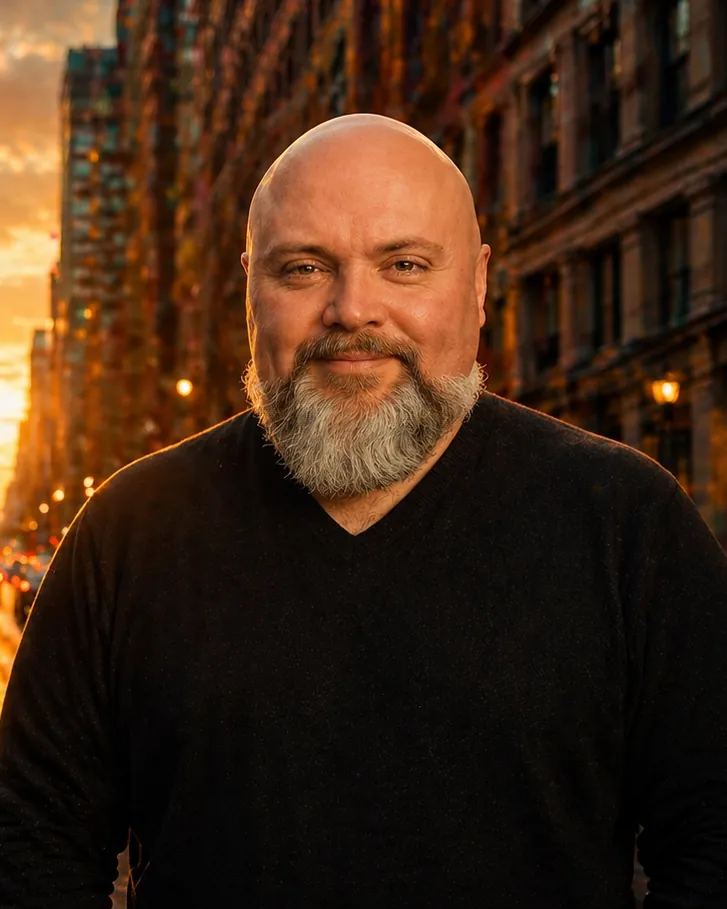
Ash Harris

Chief Global Growth Officer

Ash has worked in web accessibility and digital consulting for twenty years, first within agencies and then leading his own. For fourteen years he ran an accessibility consultancy that held its own against the field's largest firms, advising global banks, major retailers, and universities across the United States, Canada, and Europe.

He has worked with government for fifteen years, and his clients have also included schools and special education programs, international organizations, and some of the most recognized names in business. Many came to him with a demand letter or a lawsuit already underway. The immediate work was to limit the harm. The lasting work was training their teams and helping them build an accessibility practice they could stand behind.

From 2018 to 2023 he served on the W3C's Education and Outreach Working Group (opens in a new tab), which writes the plain-language guidance accessibility practitioners rely on.

Talk with the people behind Esther.

Thirty minutes. Your situation, and where to begin.